The Ohio State Reformatory
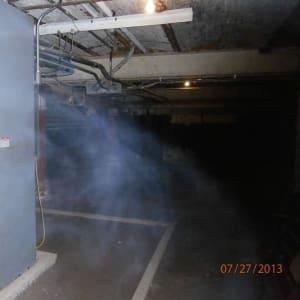
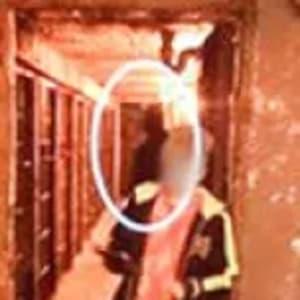
Over an extended period, the Ohio State Reformatory has been associated with numerous reported accounts of alleged paranormal phenomena documented by visitors, investigators, and tour participants. These reports commonly include claims of unexplained auditory, visual, tactile, and environmental experiences occurring throughout the facility. Frequently cited visual reports involve shadow-like, human-shaped figures observed in areas such as solitary confinement and along the upper tiers of the cell blocks. Additional accounts describe the appearance of a small, child-like figure in the basement and a perceived guard-like presence described as oppressive or threatening. These visual phenomena are typically reported as brief and indistinct. Reported tactile experiences include sensations of physical contact, such as being pushed, tapped, or having clothing pulled, particularly within the solitary confinement units. Auditory reports are also prevalent and include claims of disembodied footsteps, whispering voices, screaming, whistling sounds, and the spontaneous slamming of cell doors, most often reported within the facility’s large, multi-tiered cell blocks. Environmental anomalies described by visitors include sudden and localized decreases in temperature, commonly referred to as “cold spots,” as well as unexplained odors. Among the most frequently noted scents are perfume reportedly associated through tradition with Helen Glattke, the wife of a former warden, primarily within the administration wing, and the smell of smoke in attic areas. One specific location, commonly referred to as the “Chair Room,” is associated with recurrent reports involving a single wooden chair. According to visitor accounts, the chair is said to move or vibrate without apparent cause and has been linked to reports of electrical interference or equipment malfunction within the room.
Historical Summary
The origins of the Ohio State Reformatory (OSR) can be traced to the late nineteenth century, when Mansfield, Ohio, was identified as a suitable location for the construction of a new state penitentiary. The project required an estimated investment of approximately $1.5 million, a figure that included both construction costs and the acquisition of the land. Progress on the facility extended over a period exceeding two decades, largely due to intermittent funding and administrative delays. The reformatory was designed by architect Levi T. Scofield, whose vision emphasized rehabilitation rather than punishment, particularly for first-time offenders. The architectural philosophy underlying the design was intended to promote moral reflection and spiritual reform, encouraging inmates to abandon criminal behavior and pursue personal rehabilitation. The facility officially opened in 1896, at which time incarcerated individuals were assigned labor related to the completion of essential infrastructure, including the prison’s sewer system. Over time, the function and population of the Ohio State Reformatory shifted significantly. The institution increasingly housed individuals convicted of serious offenses, and conditions within the facility deteriorated. By the late twentieth century, the reformatory was widely criticized in legal and public discourse for severe overcrowding and substandard living conditions. In 1990, the facility was closed following a federal court order that resulted from a class-action lawsuit filed by inmates alleging inhumane treatment and violations of constitutional standards. Despite its closure, the Ohio State Reformatory remains a site of considerable historical interest. Ongoing preservation, restoration, and educational efforts conducted by the Mansfield Reformatory Preservation Society have played a central role in documenting and interpreting the institution’s complex and often troubling legacy.
Investigation Reports
0 documented investigations
No investigation reports yet. Be the first to document your findings!
Log in to submit an investigation report.