Waverly Hills Sanatorium
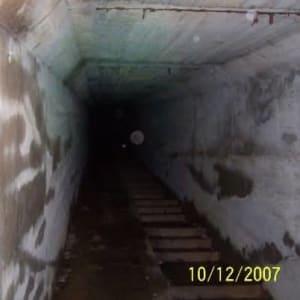
Since its closure as a medical institution, Waverly Hills Sanatorium has developed a prominent reputation within American paranormal folklore. Reports of unexplained phenomena have been documented by visitors, paranormal investigators, and tour participants, contributing to its contemporary identity as a location associated with alleged hauntings. These claims are largely anecdotal and are best understood within the broader cultural context of abandoned medical facilities, high mortality environments, and the evolving traditions of supernatural tourism. One of the most frequently cited locations is Room 502, situated on the fifth floor. Local legend maintains that a nurse died by suicide in the room during the early twentieth century, with additional rumors of another nurse’s fatal fall occurring nearby. Visitors have reported sensations of intense dread, unexplained sounds, shadow figures, and occasional claims of full-body apparitions resembling medical staff. While the historical accuracy of the associated tragedies remains debated, the room has become a focal point of paranormal narratives and investigative activity. Another widely discussed area is the underground “Body Chute” or “Death Tunnel,” a passage historically used to transport supplies and, according to some accounts, deceased patients away from the main facility to avoid distressing those undergoing treatment. Modern reports describe disembodied voices, footsteps, cold sensations, and shadow-like forms encountered within the tunnel. These accounts have contributed significantly to the building’s reputation for intense paranormal activity. Additional phenomena are reported throughout the upper floors, including sightings of “shadow people,” dark human-shaped figures allegedly observed moving through corridors or appearing in doorways. Some witnesses describe apparitions resembling former patients or staff, including a nurse figure, a physician-like individual in a white coat, and the spirit of a young child commonly referred to in popular lore as “Timmy.” Claims also include auditory anomalies such as footsteps, coughing, voices, and unexplained mechanical sounds. Other areas associated with alleged activity include the former morgue and autopsy rooms, the children’s ward, and the rooftop level connected to tragic legends involving staff members. Visitors frequently report sensations of being watched, sudden temperature changes, and unexplained emotional reactions. While such experiences are subjective and not empirically verified, they remain central to the building’s cultural and touristic identity as a reputedly haunted location.
Historical Summary
Waverly Hills Sanatorium emerged during the early twentieth century as a response to the widespread tuberculosis epidemic, commonly referred to as the “White Plague”, that severely affected Jefferson County and much of the United States. The property originally belonged to Major Thomas H. Hays in the late nineteenth century; however, the site was repurposed in the early 1900s when public health authorities sought a remote and elevated location suitable for the isolation and treatment of contagious disease. The first sanatorium structures opened in 1910 as modest wooden facilities designed to house a small number of tuberculosis patients under treatment regimes emphasizing fresh air, sunlight, rest, and nutrition, which were considered best practices prior to the development of effective antibiotics. As the tuberculosis crisis intensified, the complex expanded rapidly. By the 1910s, additional pavilions, children’s wards, and temporary treatment tents were erected to accommodate growing patient populations. The increasing demand for beds and the deterioration of early wooden buildings prompted the construction of a more substantial medical complex beginning in 1924. The resulting five-story structure, completed in October 1926, was one of the largest and most technologically advanced tuberculosis hospitals of its era, capable of housing more than four hundred patients and incorporating architectural features designed to maximize airflow, sunlight exposure, and isolation central principles in contemporary tuberculosis care. Throughout the 1920s and 1930s, Waverly Hills functioned as a self-contained medical community, equipped with its own infrastructure and services to minimize outside contact due to the highly contagious nature of the disease. Treatment methods ranged from open-air therapy and strict bed rest to invasive surgical procedures aimed at controlling pulmonary infection. The facility played a significant role in regional public health efforts, reflecting broader national strategies for combating tuberculosis before the advent of modern pharmacological interventions. The introduction of the antibiotic streptomycin in the 1940s dramatically reduced tuberculosis mortality rates and gradually diminished the need for large sanatoria. As patient numbers declined, Waverly Hills’ operations were scaled back, and the institution officially closed as a tuberculosis hospital in 1961. The building was subsequently repurposed in 1962 as the Woodhaven Geriatric Center, a nursing facility for elderly and chronically ill patients, though it eventually closed in 1980 amid reports of overcrowding and neglect.
Investigation Reports
0 documented investigations
No investigation reports yet. Be the first to document your findings!
Log in to submit an investigation report.
Evidence Files (12)

AQNTPKj90mF_Eq3o3KfIQYuEopoNJW7XYC_x4bEfaMoRgTwQVBESoVNO2PflMj3qb7_iKS4Su5ermVMd842ynL0OOJTXUq6C4hnmKC33rQ.mp4
557640630_10225923080218411_8547597809807845508_n.jpg
598903728_1541205753781809_7260112447827398531_n.jpg
AQOFMrRfGxsCyDu7Ujnz2pq8Zjgq9Ua4u1Xoi4HtArH94_-YcA-k61ZxdI0kv5zh5aw6jEzoN3crfZ78MbNGYB7gyFNRdxvSJo3N5mgUAA.mp4
625153421_1307634728085091_8521321739133980231_n.png
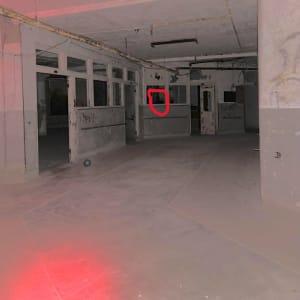
waverly-hills-sanatorium-v0-g7ptd44cht5d1.png