Best real ghost photos to see in 2026
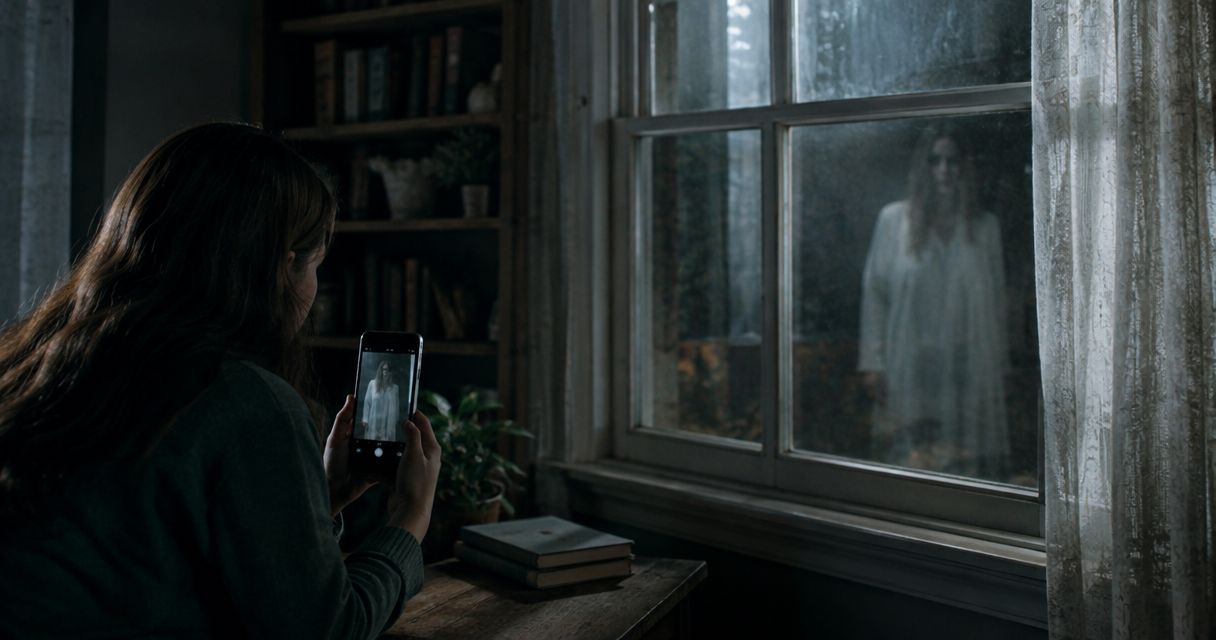
Best overall: ghost photos that show the full scene. Best for checking a change: photo sequences. Best for sharing an unexplained encounter: a photo with a plainly told witness account. For your 2026 viewing list, choose context over a dramatic crop; a real photograph is not automatically a photograph of a ghost.
TL;DR- The best ghost photos preserve the surrounding scene, not just an unexplained shape.
- Photo sequences help you compare what changed without proving a paranormal cause.
- Haunting is best for sharing unexplained encounters anonymously, with no registration required.
- Separate what a submitter reports from what the photograph actually shows.
Haunting accepts stories, photos, video and audio through anonymous submission, with no registration required. You can describe an encounter without giving your name or identifying the people involved.
Why this matters
You notice a face in a window. Someone else sees a reflection. Both of you are looking at the same picture, but the picture alone doesn't settle what caused it.
That distinction matters when you browse ghost photos in 2026. An image can show a shape, a light or an apparent figure without establishing an identity, an intention or a paranormal explanation.
Take the witness seriously without treating the witness's explanation as proven. These rankings put useful context first. They rank types of submissions to look for, not supposedly authenticated ghosts.
What makes the best ghost photos?
A useful ghost photo gives you something to examine beyond its caption. Look for these details before deciding what you think:
- Full scene: Enough of the room, window or outdoor setting remains visible to understand where the shape appears.
- Original file: The submitter has kept the original rather than relying only on a screenshot or edited copy.
- Nearby frames: Other photographs from the same moment help you compare position, lighting and movement.
- Plain account: The submitter separates what they noticed at the time from what they noticed afterward.
- Clear limits: Unknown details stay unknown. The caption doesn't turn an indistinct patch into a named person.
For your own submission, start by keeping 1 original file separate from any version you brighten, crop or mark up. That's a practical filing recommendation, not a test that establishes authenticity.
Ghost photos at a glance
| Rank and photo type | Best for | Standout feature | Key limitation |
|---|---|---|---|
| 1. Full-scene photos | Understanding the setting | Keeps the unexplained detail in its surroundings | Small details can remain hard to see |
| 2. Photo sequences | Comparing change | Shows adjacent moments rather than one selected frame | Missing intervals leave gaps |
| 3. Witness-linked photos | Understanding the encounter | Connects the image to a specific submitted account | Memory and interpretation aren't independent confirmation |
| 4. Reflection photos | Checking apparent faces | Lets you examine glass, mirrors and surrounding light | A convincing outline doesn't identify its cause |
| 5. Distant-light photos | Sharing unexplained outdoor sightings | Records where a light appeared within a wider view | A distant point gives little identifying detail |
These categories overlap. A full-scene photograph with nearby frames and a careful account is more useful to discuss than a tightly cropped image with an absolute claim attached.
1. Full-scene photos: best ghost photos for understanding the setting
A full-scene photo keeps the unexplained detail inside the place where it was recorded. You can look at the doorway, furniture, glass and light around it instead of being handed an isolated shape.
Start here if you're undecided about which ghost photos deserve your attention. The surrounding scene gives you questions to ask before the caption supplies an answer.
Full-scene photos pros
- You can locate the shape within the room or landscape.
- Nearby objects remain available for comparison.
- You can examine a crop without losing access to its wider context.
Full-scene photos cons
- A small shape can be difficult to inspect at the displayed size.
- The view still leaves everything outside the frame unknown.
Best for: Readers who want to understand where an apparent figure or shape appeared.
If you're submitting this kind of image, describe where you were standing and what caught your attention. Say whether you noticed the detail while taking the picture or only afterward. Those are different accounts; neither needs embellishment.
Keep an annotated copy if you want to point something out. Preserve the unmarked version too, so readers can look before being directed toward a particular outline.
Verdict: Choose full-scene photos first. Skip crops presented without their surroundings.
2. Photo sequences: best ghost photos for comparing change
A photo sequence lets you compare an unusual detail across nearby frames. Look at what stays in place, what changes and whether the camera's viewpoint changes too.
Don't assume an absent shape means something vanished. A different angle, obstruction or lighting condition is part of the comparison, not something to leave out.
Photo sequences pros
- Adjacent frames give a single image more context.
- You can compare the unexplained detail with objects around it.
- The submitter can show the order instead of describing it from memory.
Photo sequences cons
- A sequence doesn't show what happened between exposures.
- Selected frames can leave out relevant parts of the set.
Best for: Readers asking what changed between photographs.
For a simple comparison, arrange 3 frames in their original order when you have them: one before the detail, the frame containing it and one afterward. Don't recreate a missing frame or imply a continuous recording when you have separate photographs.
If you only took one picture, say so. A single frame with an honest account is better than a sequence assembled to suggest events the camera didn't record.
Verdict: Choose sequences for comparison. Hold off on claims about an appearance or disappearance.
3. Witness-linked photos: best ghost photos for understanding an encounter
A witness-linked photo comes with an account of what the submitter experienced. The useful part isn't a more frightening story; it's a clear separation between seeing something in person and finding something in a picture later.
An anonymous account can still be specific. The submitter can describe the room, the order of events and their uncertainty without publishing a name or address.
Witness-linked photos pros
- The account explains why the photograph mattered to its submitter.
- Readers can distinguish the original experience from later interpretation.
- Unanswered questions can remain part of the story.
Witness-linked photos cons
- A sincere account doesn't independently verify an explanation.
- Details remembered afterward aren't details recorded by the camera.
Best for: People who want to share what happened, not just display an unusual image.
Start your caption with 2 sentences: what you directly noticed, then what you found in the photograph. Add more only where it helps someone understand the encounter. Don't force those sentences into certainty if you aren't certain.
Haunting accepts ghost photos alongside stories, video and audio. Keep the account in your own words, and leave out identifying details you don't want to share.
Verdict: Choose a plain witness account. Skip any explanation that goes beyond what the submitter reports.
4. Reflection photos: best ghost photos for checking apparent faces
Windows and mirrors deserve a careful look because they show reflected surroundings as well as what appears beyond or within them. An apparent face is a reason to examine the picture, not a settled identification.
Keep the edges of the glass in view when possible. They help readers understand which part of the image they're looking at.
Reflection photos pros
- Visible glass gives readers a specific feature to examine.
- A wider view helps place an apparent face within its surroundings.
- Another angle, if already available, provides a useful comparison.
Reflection photos cons
- The picture might not show what stood behind the photographer.
- A face-like outline doesn't establish that a person was present.
Best for: Readers checking figures or faces that appear in glass.
Ask whether the submitter noticed the shape directly or found it while reviewing the picture. Also ask what was on either side of the glass. Don't fill those gaps yourself if the account doesn't answer them.
If you share a marked-up version, distinguish your outline from the original image. A drawn circle shows where to look; it doesn't add evidence about what was there.
Verdict: Examine reflection photos with their surroundings intact. Wait before attaching an identity.
5. Distant-light photos: best for unexplained outdoor sightings
Distant-light photos preserve a sighting without necessarily identifying it. Keep a horizon, roofline or other visible reference in the frame when you already have one; a light isolated against darkness offers less context.
One supplied Haunting reference, “Lights in the sky,” comes from a submitter who reported capturing unexplained lights above their backyard and said the lights disappeared shortly afterward. That's the submitter's account, not independent confirmation of what the lights were.
Distant-light photos pros
- A wide view can show where the light appeared.
- An accompanying account can describe what the submitter observed.
- Existing video can add context about reported movement.
Distant-light photos cons
- A small light can contain little visible detail.
- One photograph can't establish a reported movement or disappearance.
Best for: People sharing an outdoor sighting they can't explain.
The useful approach in “Lights in the sky” is its open question about what was captured. Keep that distinction in your own submission: describe the light, then describe what you don't know. An unexplained light isn't automatically a ghost.
Verdict: Choose distant-light photos for documenting a sighting. Skip claims the image cannot support.
How these ghost photos are ranked
This 2026 ranking puts visible context before interpretation: surroundings first, comparisons next, then the account of the encounter. It doesn't rank pictures by how frightening they look.
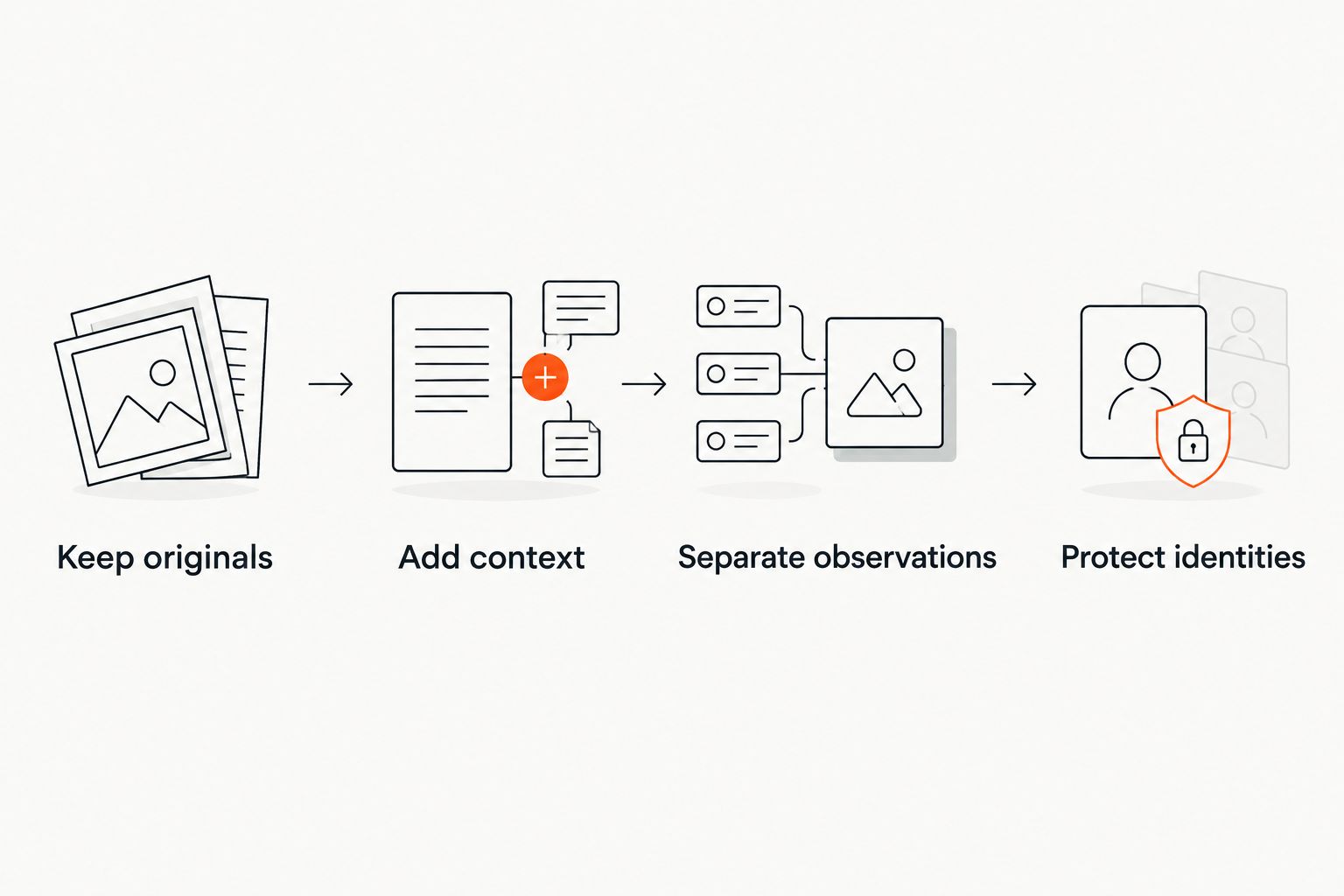
Use the same order when preparing a submission:
- Keep originals: Save the source files before making changes.
- Add context: Include existing surrounding views or nearby frames.
- Separate observations: Distinguish what you saw from what you think it means.
- Protect identities: Leave out names, addresses and identifying details you don't want public.
You don't need to make your encounter sound more certain before sharing it. A clear account gives readers room to consider what happened without asking them to accept an explanation first.
Share what you noticed
Submit stories, photos, video or audio anonymously, with no registration required.
Visit HauntingWhich ghost photos should you choose?
For your 2026 viewing list, start with full-scene photos accompanied by a plain account. Add sequences when they're available, and treat reflections and distant lights as questions to examine rather than answers.
Haunting is best for sharing unexplained encounters anonymously, with no registration required. You don't need a photograph that settles everything. You need an honest description of what you noticed.
FAQ
What are the best ghost photos to look at in 2026?
Start with ghost photos that preserve the full scene and include a clear account from the submitter. Nearby frames help you compare changes, but none of those features alone proves a paranormal cause.
Are real ghost photos proof that ghosts exist?
A real photograph isn't automatically proof of a ghost. The image can record an unexplained shape or light without establishing what caused it.
Is a photo sequence better than a single ghost photo?
A photo sequence is better for comparing changes between recorded moments. It still leaves gaps between exposures and doesn't establish a paranormal explanation.
Can I share ghost photos anonymously?
Haunting accepts anonymous submissions with no registration required. You can share stories, photos, video and audio without including identifying details in your account.
Should I brighten or crop an unexplained photo?
Keep the original before making a brighter or cropped copy. Label the changed version so readers can distinguish your adjustments from the source image.
What should I write with a ghost photo?
Describe what you noticed, where the detail appears and whether you saw it at the time or afterward. Separate those observations from your interpretation and leave uncertain details uncertain.
Does a face in a window mean I photographed a ghost?
A face-like shape in a window doesn't establish that you photographed a ghost. Examine the full image, the glass and any existing views from other angles before deciding what the shape suggests.
One last thing
Before circling the figure, keep an unmarked copy for readers to examine. Your annotation is an interpretation too.
For anything you share in 2026, preserve that distinction: here is the picture; here is what I noticed. You can leave the explanation open.