10 Signs of Poltergeist Activity to Document
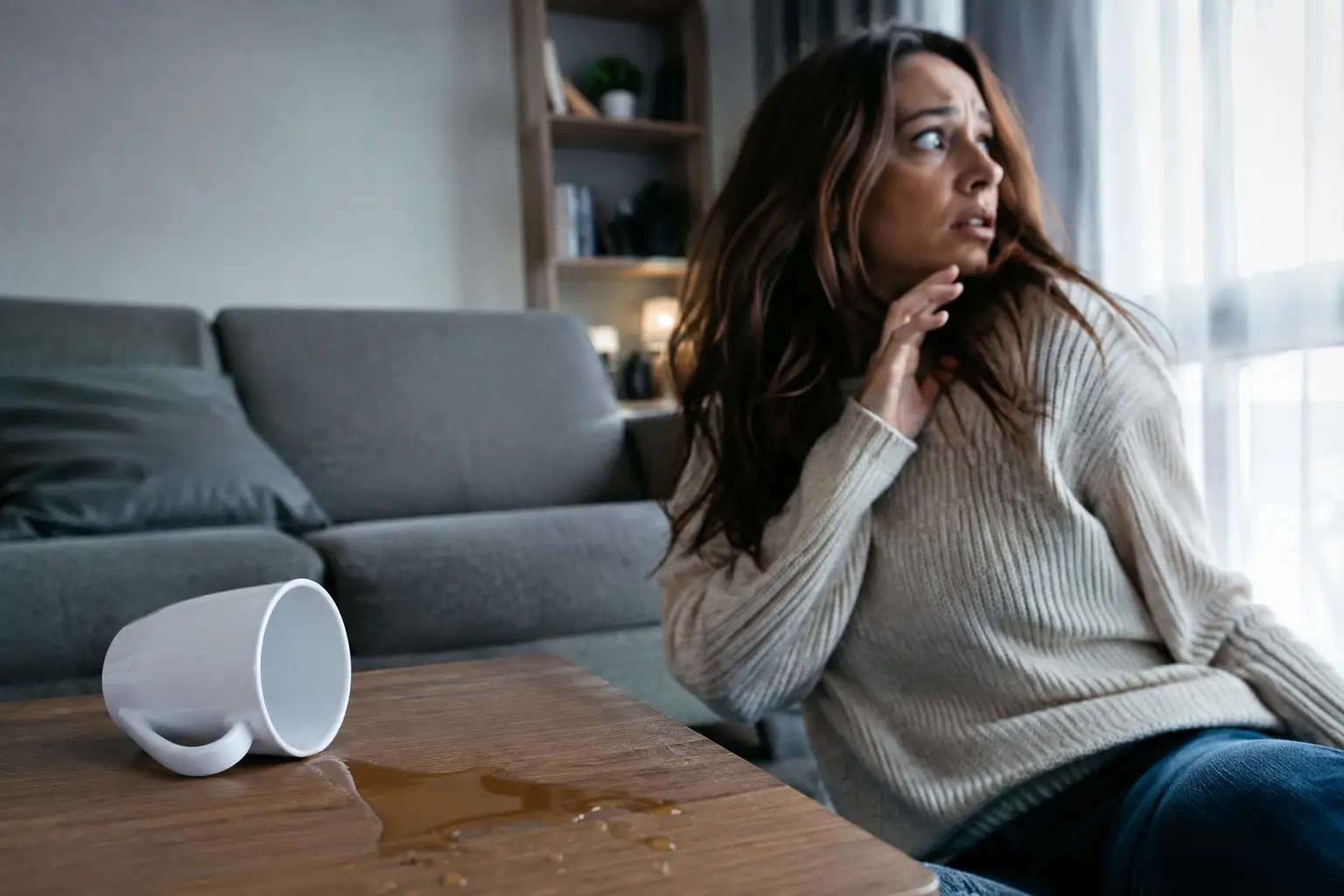
A kitchen cabinet slams at 2:13 a.m. Nothing is leaning against it. No window is open. Then it happens again, three nights later, while someone is recording on their phone.
That is where a strange moment becomes worth documenting. The signs of poltergeist activity are often described as physical disturbances rather than a fleeting glimpse of a figure. Things move. Sounds repeat. A room seems to react. But one incident is not a verdict. Witness. Check. Capture.
What Makes a Poltergeist Report Different?
In paranormal lore, a poltergeist is associated with disruptive, often noisy activity. The word is commonly translated as "noisy spirit," but reports are not limited to knocks and bangs. Witnesses may describe objects shifting, lights behaving strangely, doors moving, or an escalating pattern centered on a person or a particular area.
That distinction matters. An apparition report may begin with what someone saw. A poltergeist report usually begins with what happened to the environment. The experience feels active, physical, and difficult to ignore.
It also depends on the pattern. A single dropped picture frame could be a loose hook. A phone sliding off an uneven table may have an ordinary explanation. Repeated disturbances under similar conditions, especially when multiple people observe them, deserve closer attention and better notes.
10 Signs of Poltergeist Activity
1. Objects move without a clear cause
This is the report people think of first: a cup slides across a counter, keys vanish from a visible spot and reappear elsewhere, or a small item falls from a shelf. The detail that gives a report weight is not just that an object moved. It is where it started, where it ended, who was present, and whether the surface was level or disturbed.
Do not recreate a scene after the fact and call it evidence. Photograph the original position if you can. If an object lands somewhere unusual, leave it there long enough to document it.
2. Knocks, bangs, or footsteps repeat
A house makes noise. Pipes expand, vents click, and old floors settle. What stands out is a sound with timing or response: three knocks after a question, footsteps crossing an empty upstairs room, or heavy impacts that occur at the same hour over several nights.
Record longer clips than you think you need. A 30-second recording may catch the bang, but a five-minute recording can reveal a furnace cycle, traffic vibration, or the silence around the event. Context is part of the evidence.
3. Doors and cabinets open, close, or latch themselves
A door moving on its own can be unsettling, but drafts, uneven frames, loose hinges, and pressure changes should be checked first. Note whether windows were open, whether heating or air conditioning was running, and whether the door was fully latched.
The stronger accounts often involve a repeated motion after those factors have been considered: the same cabinet opening during quiet hours, a locked door found open, or several doors moving in sequence. A stable camera pointed at the doorway is more useful than a shaky clip filmed after the fact.
4. Electronics behave oddly in a specific place
Lights flicker. A television powers on. A toy makes a sound with no one near it. These events can feel personal, especially if they happen during a conversation or follow a request for a sign.
Start with the unglamorous checks. Replace batteries, inspect outlets, test the device in another room, and look for timers, remote controls, smart-home routines, or unstable wiring. If the behavior continues in one location, log the exact device, time, and conditions. Never ignore possible electrical hazards for the sake of a paranormal explanation.
5. Items disappear and return in unlikely places
Misplaced objects are common. A missing ring found inside a closed container, a set of keys appearing in the center of a cleared floor, or an item returning to the place it was already searched can feel different. Memory is fallible, though, especially during stress.
Treat these reports carefully. Write down the last confirmed sighting before searching. Ask everyone in the space separately. If an item returns, photograph it before moving it and record who had access to the area.
6. Disturbances cluster around one person
Some poltergeist accounts describe activity that seems to follow a particular witness. It may occur in different rooms when they are present, begin after they arrive, or become more frequent during emotional conflict, exhaustion, or major life changes.
That does not prove a person is causing anything, and it should never become a reason to blame or isolate someone. It is simply a detail to document without judgment. Note who was present for each event, along with anyone who was absent.
7. Activity escalates instead of fading
A single unexplained knock is one thing. A progression from knocks to moving objects, or from one room to several, is what often leads witnesses to use the word poltergeist. Escalation can also mean more frequent activity, louder sounds, or disturbances that happen in daylight rather than only at night.
A timeline makes this visible. Without dates, the mind can compress weeks of unrelated incidents into one frightening story. With dates, you may find a pattern worth examining - or discover that the events are less connected than they felt.
8. Multiple witnesses describe the same event
Shared observation does not automatically make an event paranormal, but independent accounts are valuable. If two people hear the same footsteps, ask each to describe them before comparing notes. Did they hear the same direction, number of steps, and location?
Avoid leading questions. "What did you hear?" is better than "Did you hear someone walking upstairs?" The goal is a clean account, not agreement at any cost.
9. The activity leaves physical evidence
An overturned chair, a broken object, a fresh scratch, or a displaced item can be documented. Photograph the scene from wide, medium, and close angles before cleaning up. Include a familiar object for scale when it is safe to do so.
Physical evidence is still evidence of an event, not proof of its cause. A broken glass needs practical investigation as much as a paranormal one. Who entered the room? Could a pet reach it? Was there a vibration, a shelf failure, or a damaged fixture?
10. The atmosphere changes with the disturbances
Witnesses often report a sudden cold feeling, pressure in the room, dread, buzzing in the ears, or the sense that they are being watched. These are real experiences, even when their source is uncertain. Fear can sharpen perception, but it can also make ordinary sounds feel coordinated and threatening.
Document the feeling alongside observable facts instead of treating it as the whole case. Record the temperature if you have a reliable thermometer, note weather conditions, and write down what happened immediately before the feeling began.
How to Document Possible Poltergeist Activity
Start a case log the first time an event repeats. Use the date, exact time, room, people present, weather, and a plain description of what happened. Add what you checked: windows, appliances, pets, plumbing, nearby construction, and anyone with access to the space.
Capture media safely and honestly. A continuous video from a fixed position is often more useful than dramatic footage that begins after a sound. Keep original files. Do not add filters, music, or edits that obscure timing. If you take an EVP recording, describe the environment and any known background noise, then let listeners decide what they hear.
Do not provoke activity by damaging property, burning materials indoors, trespassing, or confronting anyone you suspect of causing a disturbance. If there are signs of electrical faults, gas leaks, carbon monoxide exposure, mold, structural damage, or an intruder, address those risks immediately. Your safety comes before a compelling report.
When Is It Worth Sharing?
Share when you have a clear firsthand account, even if you do not have proof. The strongest submissions separate what was observed from what was assumed. "The bedroom door opened 10 inches at 11:42 p.m." is stronger than "A spirit entered the room." Both may belong in the story, but they are not the same kind of statement.
Include the details that might challenge your own interpretation. Maybe the home is old. Maybe a storm had just started. Maybe the recorder was near a refrigerator. That does not weaken your experience. It gives other witnesses and investigators something real to examine.
A strange event does not need a final label on the first night. Preserve the moment. Mark the conditions. Let the pattern, if there is one, speak over time. What was it?