What Causes Shadow Figure Sightings at Night?
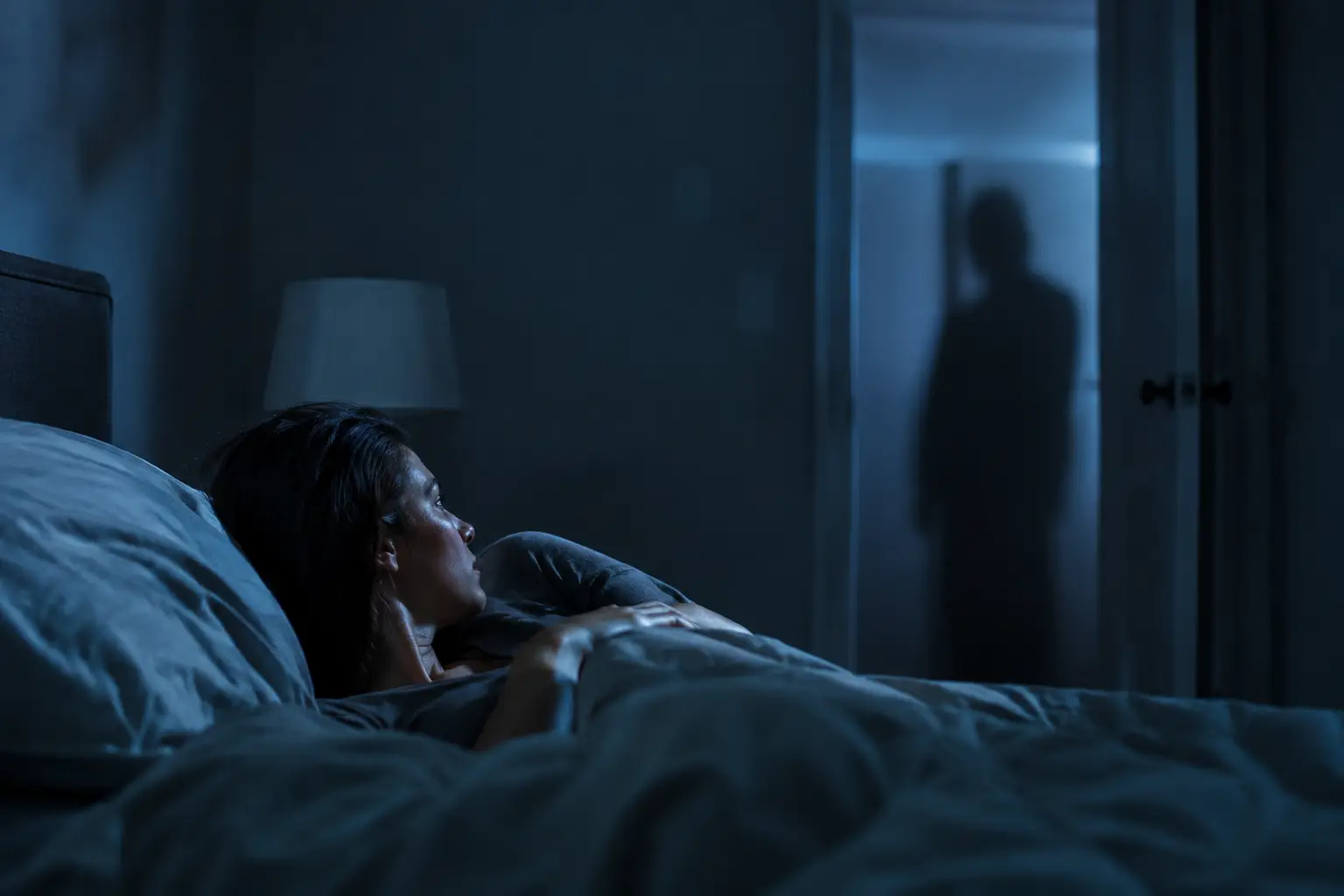
A shape crosses the bedroom doorway. A tall outline stands at the end of a hallway, then disappears when you turn your head. What causes shadow figure sightings is not a question with one clean answer. The experience can feel intensely real, whether it lasts a second or follows someone for years. The useful place to begin is not disbelief or certainty. It is observation.
Shadow figures are usually reported as dark, humanlike forms seen in low light, often at the edge of vision. Witnesses may describe a hooded presence, a moving silhouette, a figure with no visible features, or a darker patch inside an already dark room. Some reports include dread, pressure, cold, footsteps, or a feeling of being watched. Others contain nothing but the image itself.
What Causes Shadow Figure Sightings?
Several ordinary conditions can produce a shadow-like perception. That does not automatically settle every report. It does mean the details matter: the time, light source, witness state, location, duration, and whether anyone else saw the same thing.
Human vision is built to detect movement fast. In darkness, it becomes less precise. Peripheral vision is especially sensitive to motion but poor at resolving shape and color. A coat on a chair, a passing car’s headlights, a tree branch shifting outside, or a reflection from a screen can briefly register as a person before the brain has enough information to correct it.
That correction does not always happen immediately. When someone is tired, frightened, grieving, stressed, or already alert to unusual activity, the mind may hold onto the human shape longer. This is not the same as making something up. Perception is an active process. Your brain fills gaps constantly, especially when the scene is dim and incomplete.
Low light and peripheral vision
Most shadow figure reports happen at night, in unlit rooms, hallways, basements, woods, or places with uneven illumination. That pattern makes sense. In low light, the eye relies more heavily on rod cells, which detect contrast and movement better than detail. Dark objects can seem to move as the eye adjusts. A familiar room can briefly become unfamiliar.
Peripheral sightings have their own pattern. You glimpse a figure to your left or right, look directly at it, and find nothing there. The shift in attention can be enough to change what your eyes are gathering. Before deciding a location is active, spend time identifying every moving light source: televisions, phone screens, traffic, security lights, passing trains, appliances, and reflective surfaces.
Sleep transitions and sleep paralysis
A large number of frightening bedroom encounters happen during the borderland between sleep and waking. Hypnagogic experiences occur as a person falls asleep; hypnopompic experiences occur as they wake. Both can include vivid sights, sounds, sensations, and a powerful sense that someone else is nearby.
Sleep paralysis can make the experience more intense. A witness may wake mentally while the body remains briefly unable to move. The room appears normal, but a dark presence seems to stand near the bed or press into the space. Fear arrives before explanation. This is one reason the “bedroom figure” is a recurring type of report across cultures.
A sleep-related explanation may fit when the event happens immediately after waking, involves immobility, lasts seconds or minutes, and fades as full awareness returns. But record those details rather than forcing a category. A figure seen while fully awake in a brightly lit kitchen calls for a different line of inquiry.
Stress, grief, anxiety, and expectation
The nervous system notices possible threats before the logical mind catches up. During periods of exhaustion, major stress, anxiety, grief, or trauma, people can become more sensitive to sounds, movement, and changes in their environment. A vague visual event may feel charged because the witness is already running at high alert.
Expectation can also shape interpretation. If someone has been watching horror videos, researching hauntings, or hearing stories about a property, they may be more likely to label an ambiguous shape as a shadow figure. The opposite is also true: a skeptic may initially call the same experience a trick of light. The raw observation comes first. The label comes afterward.
Neither response should erase the witness’s account. “I saw a black form move from the doorway to the closet at 2:14 a.m.” is stronger documentation than “there was definitely a demon in my room.” One preserves what happened. The other jumps to a cause that cannot yet be tested.
Physical Conditions Worth Checking
A haunting investigation begins with the space itself. Old homes, apartment buildings, hotels, and outdoor locations create plenty of unusual sensory conditions. Air currents move curtains. Plumbing knocks. Settling walls click. Carbon monoxide exposure, mold concerns, poorly ventilated rooms, and strong odors can affect comfort and well-being. If multiple people report headaches, dizziness, confusion, nausea, or unusual fatigue in one location, address the safety issue first.
Visual sources deserve the same attention. Headlights can sweep through blinds in a humanlike pattern. Infrared lights on cameras can reflect from glass. Mirrors can create depth where there is none. A dark window can reflect a person standing behind the witness. Security footage may introduce motion blur, compression artifacts, low-light grain, or automatic exposure changes that resemble a moving form.
This does not make evidence useless. It makes context essential. Keep the original file whenever possible. A reposted clip, cropped screenshot, or heavily filtered image is harder to evaluate than the unedited source with a time stamp and a clear description of the camera position.
Health factors should not be ignored
Recurring visual disturbances can also have medical causes, including migraines with aura, medication effects, eye conditions, fever, or sleep deprivation. If sightings are frequent, escalating, paired with confusion, severe headaches, fainting, major vision changes, or distress that interrupts daily life, seek advice from a qualified medical professional. Protect the witness before pursuing the mystery.
That recommendation is not an insult to paranormal belief. It is a practical rule. A report can remain unexplained while a person still gets care and rules out urgent risks.
When the Usual Explanations Do Not Fit
Some shadow figure accounts remain compelling because the circumstances resist an easy answer. Multiple independent witnesses may describe the same location and shape. A figure may appear under adequate lighting, be seen directly rather than peripherally, or coincide with a sound, temperature shift, object movement, or recording that can be reviewed later.
Even then, “unexplained” is the honest category. It is not proof of a ghost, entity, or any specific paranormal cause. Witness testimony is valuable, but memory changes with retelling, and shared expectation can influence groups. The strongest reports distinguish what was observed from what was felt and what was inferred.
Pay attention to repetition. Does the sighting occur at the same hour? Near the same doorway? Only after a particular light turns on? Only to one witness? Does it stop when a reflective object is moved or when the room is illuminated? Patterns do not prove a haunting, but they give you something real to test.
Document the Encounter Before It Fades
If you see a shadow figure, resist the urge to immediately turn it into a story with a fixed ending. Write down the scene while your memory is fresh. Note the date, exact time, weather, lighting, where you were standing, how long it lasted, what the figure did, and whether you had just woken up or felt unwell.
If there is media, preserve the original photo, video, or audio file. Take a second image from the same position in daylight. Photograph the room, windows, mirrors, furniture, and likely light sources. If another witness was present, ask for their account separately before comparing notes. Small differences can reveal whether people saw the same event or interpreted a shared moment differently.
For a useful report, capture four things: the raw observation, the setting, the witness condition, and any supporting material. A single sentence about a black shape can be unsettling. A careful account gives others a chance to understand it.
Haunting.org exists for that kind of record. Share the experience anonymously if needed. Include the uncertainty. Let the footage, audio, and firsthand details stand beside the feeling of the moment.
The dark does not owe you an answer. But the next time a figure appears at the edge of the room, pause. Check the light. Check the time. Check yourself. Then write down exactly what you saw. What was it?