Can Ghosts Appear in Photos? What to Check First
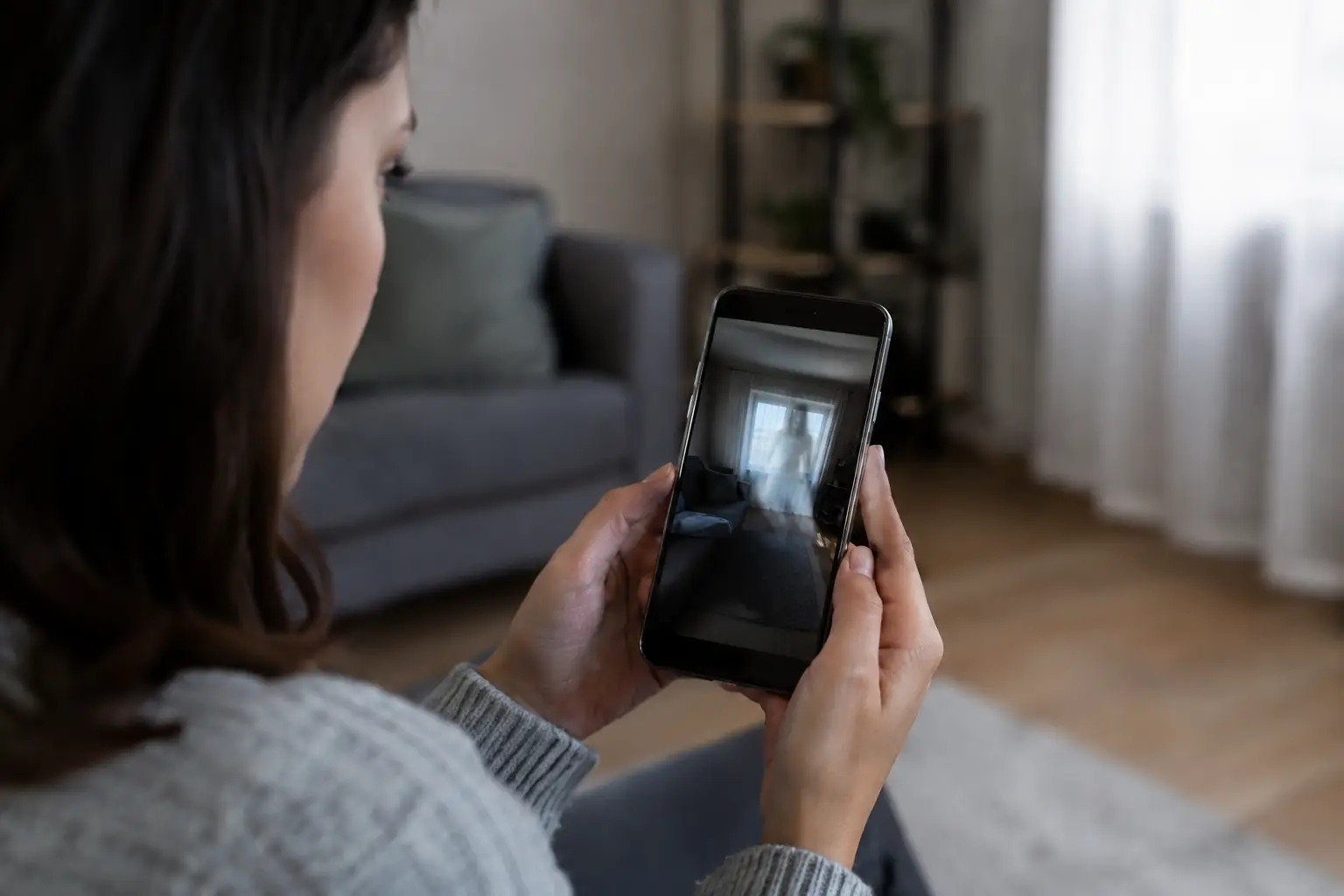
You notice it after the moment has passed: a pale shape near the staircase, a face in a dark window, a figure standing where no one remembers standing. Can ghosts appear in photos? Maybe. A photograph can preserve something strange, but it can also preserve the split-second mistakes cameras make in low light.
That uncertainty is not a reason to dismiss the image or declare it proof. It is the reason to look closer. Treat the photo like a witness statement: preserve it, question it, and compare it with everything that happened before and after the shutter closed.
Can Ghosts Appear in Photos?
No photograph has conclusively proved that a ghost was present. Still, people have captured images they cannot easily explain, especially at locations with a history of apparitions, shadow figures, or unsettling activity. A camera records light reaching its sensor. If something physical, reflective, moving, or partly hidden affected that light, it may appear in the image even when the person holding the camera did not notice it.
That leaves room for more than one possibility. A strange form could be a person, an object, a reflection, a camera artifact, or something the witness believes is paranormal. The honest answer is not always satisfying: it depends on the image, the conditions, and the full account.
A compelling photo does not need to settle the question of life after death. Its value may be that it documents an experience accurately enough for others to examine. What was visible to the eye? What changed in the room? Was there a sound, a temperature shift, an EVP recording, or another witness? Those details can matter as much as the figure in the frame.
What a Photo Can and Cannot Establish
A single image is usually a starting point, not a verdict. Cameras flatten depth, struggle with contrast, and make moving objects look unfamiliar. Night Mode can combine several frames. Long exposures can stretch motion into translucent trails. Portrait processing can soften edges and invent unusual-looking separation between foreground and background.
At the same time, an unexplained image should not be casually reduced to "just dust" or "just glare" without checking. The location of the light source, the camera settings, nearby surfaces, and the original file can either offer a normal explanation or make the image more interesting.
The strongest reports are specific about what is known and careful about what is not. Say, "This shape appeared in one photo taken at 11:42 p.m., and no one was standing there," rather than claiming certainty the image cannot provide. Let the evidence speak in its own strange voice.
Rule Out the Ordinary First
Most ghost photos have a physical explanation. That does not make the witness foolish. Cameras see differently than human eyes, especially in darkness. Investigating the ordinary explanation first protects the story from easy dismissal.
Lens Flare, Reflections, and Glass
Lens flare can create bright or colored circles, streaks, and floating shapes when a light source hits the lens at an angle. It may come from a lamp, flashlight, streetlight, candle, television, or even a phone screen outside the frame. Reflections are equally deceptive. Windows, mirrors, glossy frames, polished floors, and dark screens can hold a faint image of someone behind the camera.
Look for symmetry and direction. Does the strange mark align with a visible light? Does a face-like shape repeat the position of a person near the photographer? If the image was taken through glass, inspect both sides of it. A reflection can look remarkably solid when the background is dark.
Dust, Moisture, Insects, and Orbs
The classic orb is often dust, moisture, pollen, or a tiny insect close to the lens. When a camera flash fires, particles near the lens can become large, bright, and out of focus. Their apparent size says little about how large they actually were.
That does not mean every orb image should be discarded. Check the weather, the room condition, and whether other photos taken seconds apart show similar marks. A series of nearly identical circles points toward airborne material. A distinct shape that stays in one location across several shots deserves a more careful look.
Motion Blur and Low Light
Human forms are easy for the brain to find in blur. A person walking through a long exposure can become a pale smear. A hand moving near a dark wall can look detached. A camera shifted during a shot may duplicate edges and turn a doorway into a shadowy silhouette.
Review the exposure details if they are available. A slower shutter speed, high ISO, flash, or low-light mode can explain a great deal. Also ask whether the photographer was moving, startled, or shooting quickly. Fear can make a brief image feel clearer in memory than it was on the screen.
Compression, Filters, and AI Processing
Screenshots and social uploads often strip away useful detail. Compression creates blocky textures and false edges. Beauty filters can smooth faces and alter backgrounds. Some phones use computational photography to brighten shadows, merge frames, and sharpen subjects automatically. Editing apps can add another layer of uncertainty.
This is why the original image matters. Do not crop, enhance, or apply filters before saving an untouched copy. If you want to adjust brightness for inspection, keep that version clearly labeled as edited and retain the original beside it.
Preserve What You Captured
If you think you photographed something unusual, act before the moment gets diluted by retellings and reposts. Save the original file at full resolution. Keep the photo in its original location on the device, and avoid sending it through apps that compress images until you have backed it up.
Write down the basics while they are fresh: the date and time, location, weather, lighting, who was present, what the room looked like, and what you noticed before taking the photo. Include the direction you were facing and any nearby reflective surfaces. If you took several pictures, preserve the images immediately before and after the strange one. Context is evidence.
If the encounter happened indoors, return to the spot when it is safe to do so. Take comparison photos from the same angle in similar lighting. Photograph the room with lights on, then with the lights matching the original conditions. You may discover the source of a reflection. Or you may find that the image remains difficult to explain.
Do not manufacture drama by deleting inconvenient images. The ordinary shots can strengthen a report because they show the setting, the camera behavior, and the sequence of events. A strange photo surrounded by consistent documentation is more useful than an isolated image with no history.
When an Image Is Worth Sharing
Share a photo when you can describe its origin honestly. You do not need to prove a haunting to contribute a worthwhile report. A clear account of an unexplained image gives other witnesses and investigators something real to consider.
Include what you saw at the time, not only what you noticed later on the screen. Mention whether anyone else was present and whether they saw or heard anything unusual. If an image has been edited for visibility, say so. If you do not know the explanation, say that too. Uncertainty is not a weakness. It is part of the record.
On Haunting.org, choose the closest encounter type, such as apparition, haunted place, shadow figure, or other haunting. Add the location only if you are comfortable doing so. Anonymous reporting can be the right choice when a private residence, workplace, or personal experience is involved. Witness. Capture. Share.
The Witness Account Matters
A photo without context invites projection. People will see a ghost, a curtain, a face, or a trick of light according to what they expect to find. Your account gives the image boundaries. It tells viewers whether there was a curtain in that room, whether the window faced a road, whether someone had just walked through the hall, and whether the building had a history that made the moment feel different.
Avoid filling gaps with details you learned later. Separate observation from interpretation. For example, write that you heard three knocks from an empty bedroom, then saw a dark shape in the photograph. Do not state that a spirit made the knocks unless you have a reason beyond the feeling of the moment.
This approach does not drain the mystery from an encounter. It gives the mystery a sharper outline. The more precise the record, the harder it is for a real anomaly to disappear into noise.
Look Again, Then Leave Room for the Unknown
Some images unravel under inspection. A reflection becomes obvious. A blur matches a passing person. A bright orb turns out to be rain in flash. That is not a failed investigation. It is an answer.
Other photos remain unresolved, even after you check the light, setting, sequence, and original file. Keep those images grounded in what you know. Preserve the source. Tell the story plainly. Then let others look closely and ask the question that first stopped you cold: what was it?