How to Record Paranormal Sounds That Hold Up
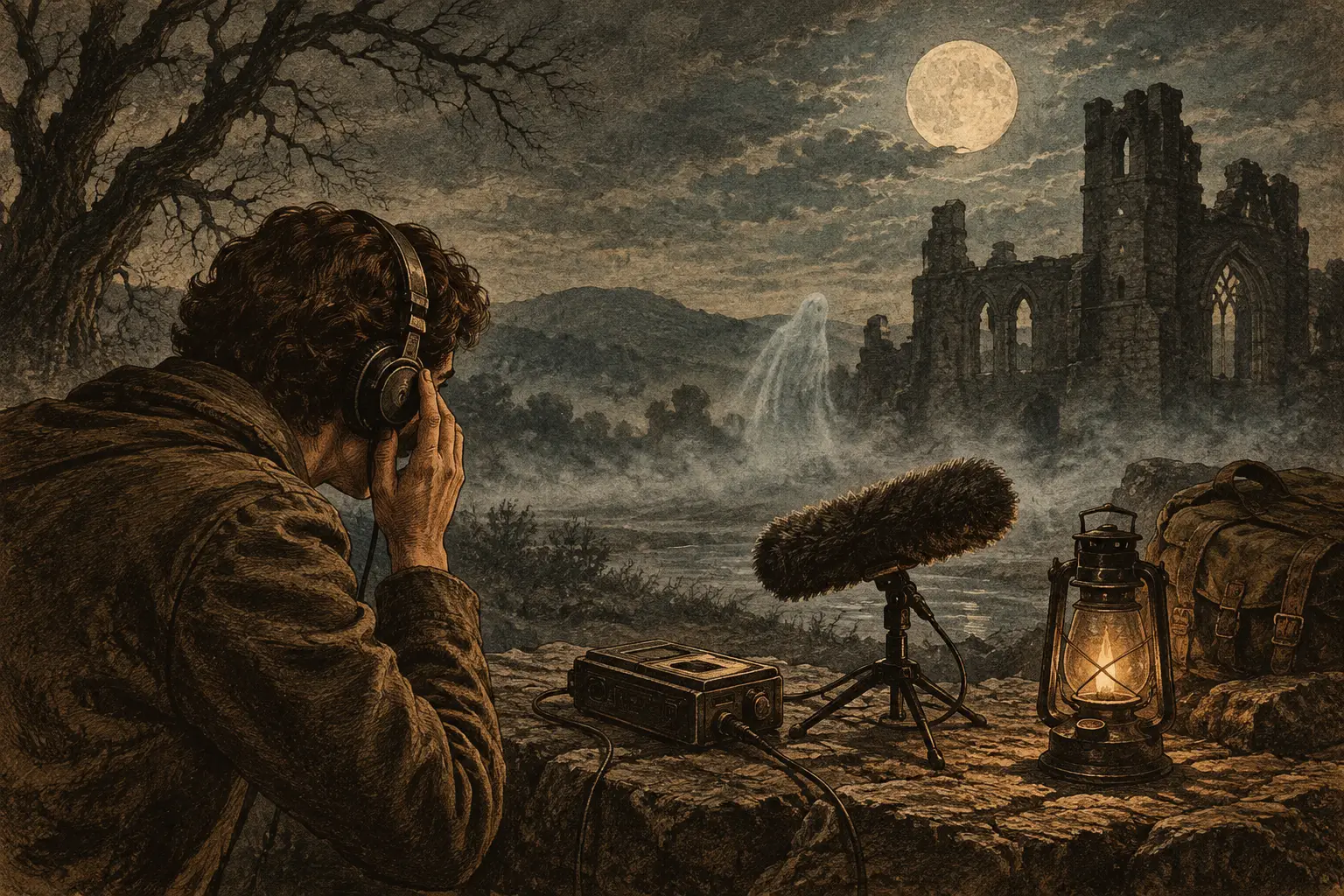
A knock from an empty hallway is easy to remember. It is much harder to prove what it sounded like, where it came from, and what was happening around you. Learning how to record paranormal sounds means capturing the whole moment, not just the part that raises the hairs on your arms.
An unexplained recording does not need dramatic editing to be compelling. It needs clarity, context, and an honest witness account. Whether you hear a voice in the static, footsteps over your ceiling, a growl beyond the tree line, or music in a vacant room, start by treating the sound as evidence that deserves a clean record.
Start With a Quiet, Reliable Setup
Your phone can capture something strange. A dedicated recorder can often capture it better. The right tool depends on where you are, how long you expect to wait, and whether you need to move quickly.
A modern phone is useful because it is already in your hand. Use its native recorder app when possible, turn off notifications, and enable airplane mode if you do not need a signal. Notifications, vibration, and incoming calls can ruin a recording at exactly the wrong moment.
For planned investigations, use a handheld digital audio recorder with a built-in stereo microphone or an external mic. Record in WAV when storage allows. WAV files preserve more information than compressed formats and give listeners a better chance of hearing low, faint details. If you must use MP3, choose the highest available quality.
Do not assume expensive gear creates better evidence. A cheap recorder placed close to the source area can be more useful than a premium microphone held in a shaking hand. Keep your setup simple enough that you can operate it in the dark without fumbling.
Set the Scene Before You Press Record
The strongest audio clips answer basic questions before anyone has to ask them. Record a brief spoken introduction at the beginning of the file. Say the date, approximate time, location, weather, who is present, and what you are investigating.
If privacy matters, you do not need to name an exact address or anyone's full identity. A general location and a clear description can still establish useful context: “Second-floor bedroom in an older home outside Pittsburgh. Two investigators present. Rain against the windows. No television, music, or pets in the room.”
Then make a baseline recording. Spend one or two quiet minutes documenting normal room tone. You may hear the refrigerator cycling, pipes tapping, traffic passing, an HVAC vent rattling, or a neighbor's dog. These ordinary sounds matter. They give you something to compare against later.
Before calling a sound paranormal, check the obvious sources. Heating systems expand. Buildings settle. Wind moves branches and loose siding. Radio interference can enter poorly shielded equipment. A baseline does not make an experience less strange. It makes your account stronger.
How to Record Paranormal Sounds in the Field
When something happens unexpectedly, resist the urge to whisper over it. Press record, hold still, and let the sound continue. Your breathing, footsteps, and startled reaction are part of the event, but they can also bury a quiet voice or distant movement.
If the sound repeats, create distance tests. Record from the place where you first heard it, then from another room or outside the building. Ask others present to stay silent for a short period. Note whether the sound changes when appliances turn on, when someone moves, or when a door opens.
For recurring activity, place recorders in more than one location. One device near the reported source and another farther away can help establish direction and distance. If both capture the same sharp bang at the same time, compare their volume and character. If only one captures it, consider whether the source was close to that recorder or whether the other device failed to pick it up.
Use a tripod, shelf, or stable surface whenever possible. Handling noise can sound like taps, scratches, and even faint vocal shapes. If you must carry the recorder, say so out loud: “I am walking toward the stairs now.” That simple note can prevent confusion later.
Wind protection is essential outdoors. Even a light breeze can overload a microphone and create a low roar that hides everything else. Keep fabric, keys, jewelry, and loose gear away from the mic. In wooded areas, identify normal night sounds before the investigation begins. Owls, foxes, raccoons, insects, and distant vehicles can produce sounds that feel deeply unfamiliar after dark.
Record the Context, Not Just the Anomaly
A short clip of a possible EVP may be unsettling. A short clip paired with a direct account is far more valuable. As soon as it is safe, write down what you heard without trying to interpret it.
Describe the sound in plain language first. Was it a whisper, a male or female-sounding voice, a metallic scrape, a childlike laugh, three distinct knocks, or a low animal call? Note the direction, duration, volume, and whether anyone else heard it in real time.
Separate observation from meaning. “A voice-like sound occurred after I asked whether anyone was in the room” is an observation. “A spirit answered me” is an interpretation. Both may belong in your report, but they should not be confused with each other.
Include what the recording device was doing at the time. Was it sitting on a table? Connected to an external microphone? Running continuously for an hour? Did you hear the sound with your own ears, or did you discover it only during playback? These details help others understand the clip without weakening the mystery.
Review Without Creating the Evidence
The most tempting moment comes after the recording ends. You put on headphones, hear something almost like a word, and play it again until it becomes impossible to hear anything else. Slow down.
Listen once at normal volume, then again with good headphones. Keep the original file untouched. Make a duplicate before trimming silence, boosting volume, or applying noise reduction. If you share an enhanced version, share the original too and clearly label what changed.
Avoid aggressive processing. Heavy noise reduction can create watery artifacts and false vocal textures. Extreme amplification raises background hiss along with the sound you want to hear. Slowing audio can make random syllables seem intentional. Enhancement can be useful for audibility, but it should reveal a detail, not invent one.
A practical review method is to ask another person to listen without telling them what you think the clip says. If five people hear five different phrases, label it as an unclear voice-like sound rather than a definite message. If listeners independently hear the same words, that is worth noting, though it still does not establish a cause.
Preserve the Original File
Do not post the only copy of an unusual recording to social media and hope it stays there. Save the original file in at least two places: on your device or computer and in secure cloud storage or an external drive. Preserve the original filename, creation date, and file format.
Keep a simple evidence log with the file name, time, location, device, settings, people present, and a one-sentence description. This is especially helpful if you collect audio over multiple nights. Patterns are easier to see when the records are organized.
If you combine audio with video, photographs, or a written account, make clear which files were recorded at the same time and which were captured afterward. A compelling report does not need to pretend every piece of media is simultaneous.
Share It Like a Witness
When you publish a clip, give listeners enough room to make their own call. Include the raw audio, the relevant timestamp if the file is long, and a concise account of what happened. Say what you heard in the moment and what you noticed later on playback.
Choose the category that best fits the encounter. Strange sounds, haunted places, apparitions, creatures, and other hauntings can overlap, but a clear category helps people find reports like yours. If you prefer anonymity, protect your identifying details while preserving the facts that matter.
At Haunting.org, a recording can live beside the story that gives it meaning. Witness. Capture. Share. Let the community hear the room as it was, including the silence around the sound.
A clean recording may not answer what made the noise. It can do something just as valuable: preserve the moment well enough that someone else can listen and ask, honestly, “What was it?”