What Is an Intelligent Haunting? Signs to Watch
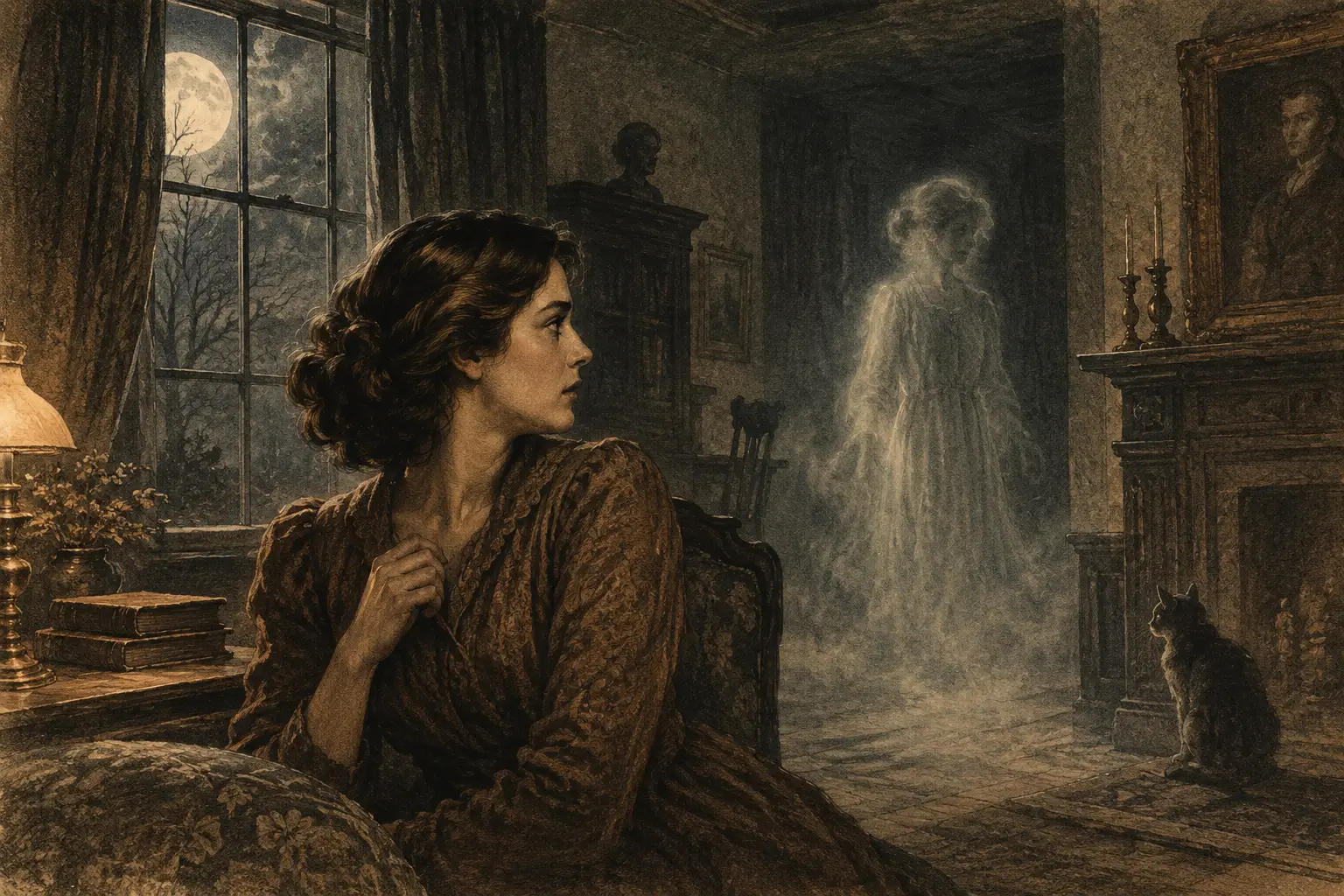
A bedroom door clicks shut after you ask for a sign. A voice answers from an empty hallway. You move an object, and something seems to move it back. What is an intelligent haunting? In paranormal terms, it is an encounter that appears aware of the living people present and able to respond, however subtly, to them.
That word, appears, matters. A single strange noise is not proof of a conscious presence. Neither is a blurry photo, a cold spot, or a feeling that someone is watching. An intelligent haunting is a pattern - one that seems to show recognition, choice, timing, or communication. Witness. Capture. Share. But document what happened before deciding what it means.
What Is an Intelligent Haunting?
An intelligent haunting is believed to involve a spirit, entity, or unknown presence that can interact with its surroundings and respond to people. The interaction may be direct, such as a spoken reply, or indirect, such as repeated knocks after a question. The defining feature is not how dramatic the event is. It is whether the activity seems responsive.
Someone might ask, “Can you knock once if you are here?” and hear a single knock moments later. That alone is interesting, but inconclusive. Pipes knock. Houses settle. A neighbor may have dropped something. The report becomes stronger when the same response happens repeatedly under controlled conditions, when unrelated witnesses describe similar behavior, or when the activity reacts to information it should not reasonably know.
Paranormal investigators often contrast intelligent activity with residual activity. Residual accounts describe a scene that seems to replay: footsteps cross the same upstairs room at the same hour, a figure passes a doorway without acknowledging anyone, or music is heard in an abandoned building where no source can be found. The event may be unsettling, but it behaves more like an imprint than a conversation.
An intelligent haunting, by contrast, feels interactive. It notices the room. It changes its behavior. It may follow a person from one space to another, answer questions, manipulate objects, or produce sounds after being addressed.
Signs an Encounter May Be Responsive
The most compelling reports usually involve more than one kind of response. A witness might hear three taps after asking for three taps, then later find that the same pattern occurs only when a particular name is spoken. Another may record an EVP that seems to answer a question asked aloud. These reports are worth preserving, especially when the original file and the full context remain intact.
Common signs associated with an intelligent haunting include apparent responses to questions, activity that starts or stops when requested, objects moving in relation to a conversation, and communication that seems specific to a person, place, or past event. Sudden changes in temperature, battery drain, strange smells, and feelings of being watched are frequently reported too, but they are weaker on their own. They can have ordinary causes, and they do not necessarily show awareness.
Specificity is the dividing line. If a lamp flickers every night at 9:00 p.m., it could be an electrical issue. If it flickers only after a particular question, in repeated sessions, that is a different kind of observation. It still does not settle the cause. It gives you something more focused to investigate.
Apparent Communication
Communication does not have to sound like a clear human voice. It may take the form of knocks, footsteps, radio-scan responses, object placement, dream content, or an EVP noticed only during playback. Some experiences are immediate. Others make sense only when witnesses compare notes later.
Be careful with interpretation. Human brains are excellent at finding patterns, especially in static, low light, and emotionally charged moments. A phrase heard in a noisy recording may be ambiguous to everyone except the person who expects it. Keep the unedited audio. Write down the exact question asked. Let other people listen without first telling them what you think it says.
Behavior That Changes With People
Many witnesses report that activity centers on one person: a new resident, a child, a grieving family member, or someone with a connection to the location. Others find that the activity intensifies when people discuss it, investigate it, or challenge it.
This does not automatically mean a spirit has attached itself to someone. Stress, sleep disruption, conflict, expectation, and environmental conditions can change how people experience a space. Still, if reports consistently follow one individual across rooms or locations, record that pattern without exaggerating it. Dates, times, witnesses, and exact circumstances are more useful than a label applied too early.
Intelligent Haunting or Something Else?
Not every strange event belongs in the same category. A good report leaves room for possibilities.
A residual haunting may repeat without variation. A poltergeist-style case may involve bangs, thrown objects, or disruptive movement, but the source and mechanism remain debated. A shadow figure may be a brief visual encounter with no clear interaction. Sleep paralysis can produce vivid presences, pressure sensations, voices, and figures at the edge of the bed. Carbon monoxide exposure, faulty wiring, mold, medication changes, and poor sleep can affect perception and safety.
Check practical explanations first, especially when there are physical symptoms or hazards. Test smoke and carbon monoxide detectors. Inspect electrical problems. Rule out animals in walls, loose windows, plumbing noise, and household members playing a prank. Taking those steps does not dismiss an experience. It protects the witness and makes the remaining details clearer.
The same applies to technology. A camera lens can catch dust, insects, reflections, lens flare, and compression artifacts. Audio recorders can pick up radio interference, distant voices, handling noise, and sounds your ears ignored in the moment. An unexplained file is not automatically paranormal evidence. It is a file that deserves context.
How to Document a Possible Intelligent Haunting
If you believe something is responding, resist the urge to turn every night into an investigation. Constant provocation can raise anxiety, disrupt sleep, and make a household feel worse. Start quietly. Observe before you engage.
Keep a log with the date, time, location, weather if relevant, who was present, what happened, and what occurred immediately before and after. Include ordinary details: the heater turning on, a pet in the room, an argument earlier that day, a nearby street event, or a known issue with the building. Those details may explain the event later. If they do not, they make the account more credible.
When recording audio or video, begin before asking questions and keep recording for several minutes afterward. State the time and location out loud. Avoid editing the original. If you make a clipped version for sharing, preserve the complete file separately. Photograph the area in normal light as well as low light, and note where everyone was standing.
For simple response tests, use questions that have clear expected answers. Ask for one knock, then two. Change the order. Leave time between questions. Do not fill silence with assumptions. If a response happens, repeat the setup on another day. One coincidence can feel electric. Repetition is where a pattern begins.
Do not use disrespectful language, threats, or demands. Whether you interpret the activity as spiritual, psychological, environmental, or unknown, escalating the atmosphere rarely helps. Set boundaries in plain language. If an experience is frightening, pause the session, turn on the lights, contact someone you trust, and step away from the location.
Sharing the Encounter Without Losing the Details
A useful paranormal report does not need to prove a theory. It needs to preserve the encounter honestly. Say what you saw, heard, felt, and recorded. Separate those facts from your interpretation. “I heard three knocks after asking for three knocks” is an observation. “My grandfather answered me” is a possible meaning.
That distinction respects both the witness and the reader. It also lets others compare your experience with reports of apparitions, strange sounds, shadow figures, haunted places, or other unexplained activity. Anonymous sharing can be especially valuable when the event involves family, grief, a workplace, or a location you do not want publicly identified.
If you publish an account on Haunting.org, include the original media when you can, along with enough context for others to understand it. A short, exact report is better than a dramatic one missing the basics. What was the question? Who heard the response? Was there a source of noise nearby? What happened next?
An intelligent haunting is not defined by fear. It is defined by the unsettling possibility of a reply. Stay curious, stay grounded, and keep a record of what the room does when you ask it to answer.