Real Haunted House Stories That Stay With You
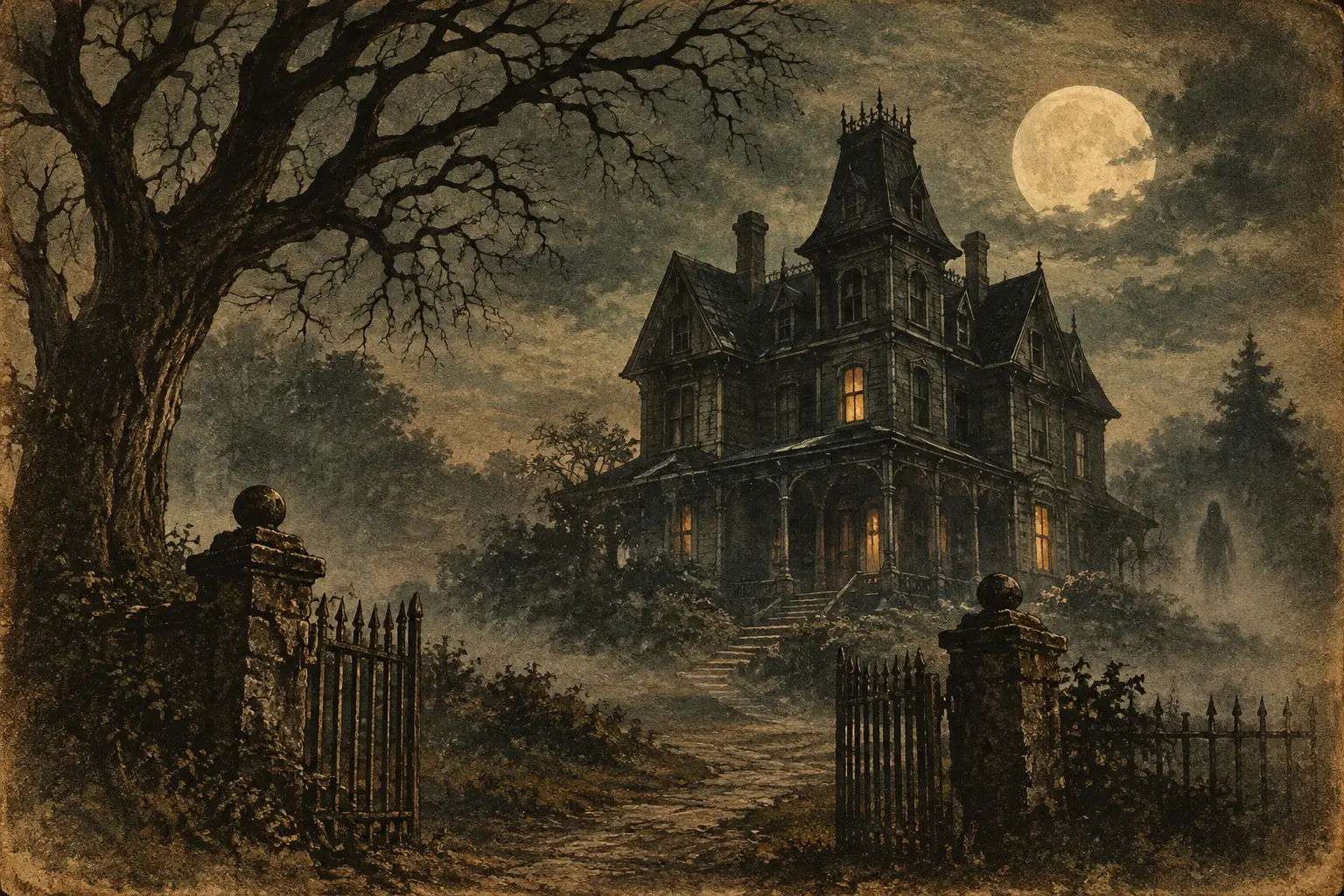
A bedroom door clicks shut in an empty hallway. A voice calls a name from the basement after everyone has gone to sleep. These are the details that make real haunted house stories linger - not because they prove anything on their own, but because someone was there when the ordinary shape of a home changed.
A house is supposed to be familiar. You know which stair complains, where the pipes knock, and how the wind moves through the windows. When something happens that does not fit that map, witnesses remember it with unusual precision. The room. The time. Who else heard it. What they did next.
That is where a strong account begins. Not with a dramatic verdict, but with a moment that refuses to settle.
Why Haunted House Reports Feel So Personal
A strange light on a back road can be dismissed when the road disappears behind you. A strange sound in your own kitchen is different. You still have to make coffee there in the morning. You still have to walk past the room where it happened.
Real haunted house stories often carry that tension between fear and routine. A family may hear footsteps crossing an upstairs landing every night at 2:17 a.m., then spend the next day packing lunches beneath that same ceiling. A renter may avoid one closet but stay because moving is expensive. A child may describe a figure at the foot of the bed while the adults search for a practical explanation they can live with.
This does not mean every unsettling event is paranormal. Old homes make noise. Sleep paralysis can produce vivid figures, pressure, and a sense that someone is in the room. Carbon monoxide, electrical faults, mold, grief, stress, and suggestion can all change how a place feels and how an event is interpreted. The most compelling witnesses leave room for those possibilities. They describe what happened before deciding what it was.
That restraint makes the unknown more convincing, not less.
The Details That Make a Story Worth Reading
The strongest reports give readers enough context to stand in the room without adding details that cannot be known. “My house is haunted” is a conclusion. “Three knocks came from inside the sealed pantry door while I was on a video call, and my coworker asked what the noise was” is an encounter.
Start with the setting. Was it an apartment, a childhood home, a hotel room, or a house you had just moved into? Give the general age or condition of the building if it matters, but protect your privacy. A city, region, or broad neighborhood is usually enough. You do not owe strangers your address to be believed.
Then establish the conditions. Note the date or approximate season, the time, the weather if it affected the event, and who was present. If an experience happened repeatedly, say how often and whether it followed a pattern. A single heavy thud in an old house has many explanations. A heavy thud from the same empty room every night after the heat turns off is a more useful detail.
Finally, tell readers what you observed through your senses. Did you hear a child crying, see a shadow move against the direction of a lamp, smell smoke with no source, or feel the mattress depress beside you? Separate observation from interpretation where you can. “I saw a pale shape near the doorway” says more than “I saw a ghost,” because it lets others assess the event alongside you.
Witnesses change the shape of a report
Corroboration does not have to mean a group of people saw the same full-bodied apparition. Sometimes it is smaller. One person hears a bang, another finds an object on the floor, and a phone recording captures a sound neither noticed at the time.
Be precise about what each person experienced. Did they see the same thing at the same moment? Did you tell them what you saw before they described it? Were they awake, sober, and in a position to observe? These questions are not accusations. They preserve the raw shape of the event.
A report can still matter if you were alone. Many of the most unsettling encounters are private. Just avoid filling gaps with certainty. A witness can say, “I do not know what made the sound,” and leave the door open.
Capture the House Before It Changes Again
If something unusual happens, safety comes first. Leave the area if you smell gas, burning, chemicals, or anything that could signal a real hazard. Check doors, windows, alarms, wiring, and carbon monoxide detectors. Call the appropriate professional when the risk is physical. A paranormal explanation should never delay a practical one.
Once you are safe, document the moment while it is fresh. Write down the timeline before conversations and retellings blur it. Include what happened immediately before and after. Note appliances running, pets in the home, nearby traffic, construction, storms, or anyone who may have entered the property.
Photos and recordings can add context, but they are not magic proof. A dark image may show a person-shaped blur because of motion, low light, lens flare, dust, compression, or reflection. An EVP may be a voice, radio bleed, handling noise, or a sound the listener interprets as speech. Keep the original file whenever possible. Do not add filters, dramatic music, or captions that tell viewers what they must hear.
If you record audio, make a short spoken note afterward: where you were, what device you used, and whether you heard the sound in real time. If you photograph a room, take a wider image as well as the close-up. Context is often more useful than the anomaly itself.
At Haunting.org, a witness can pair the written account with photos, video, audio, or EVP clips while choosing how much identity and location to reveal. The story remains the center. The file is there for others to examine, question, and remember.
Read Evidence Without Killing the Mystery
Paranormal communities work best when curiosity and skepticism sit at the same table. A thoughtful comment may point out a likely reflection or explain how a recorder can create false positives. That does not erase the witness’s fear or make the experience worthless. It may clarify one piece while leaving another unexplained.
The reverse is also true. An unexplained sound is not automatically a spirit. “Unexplained” is a useful category because it is honest. It means the available information did not settle the question.
When reading real haunted house stories, look for the difference between a clean account and a polished performance. Clean accounts often include uncertainty, mundane details, and moments that do not fit a perfect horror plot. They may admit that the witness was exhausted, that a camera failed to capture anything, or that a possible explanation exists. Those limits give a report texture.
Be cautious with claims that demand too much from too little. A face in a curtain, a single orb, or a vague whisper can be interesting, but it rarely carries a case by itself. Repetition, independent witnesses, environmental details, and original media create a fuller record. Even then, certainty may remain out of reach.
That is part of the appeal. The best house stories do not force a verdict. They make you look twice at the doorway.
Tell the Story Without Turning It Into a Performance
You do not need a tragic history, a famous murder, or a final jump scare to tell a meaningful encounter. Do not invent background for a property because the silence feels too plain. If you researched previous residents or local history, say where the information came from in general terms and distinguish it from what you personally experienced.
Use a title that names the event rather than spoiling it. “Footsteps Above the Laundry Room” is more inviting than “The Most Terrifying Ghost Ever.” Keep the narrative in order unless the timeline itself is uncertain. If the experience affected your sleep, relationships, or sense of safety, say so plainly. That impact belongs in the account.
You can also state what you want from the community. Maybe you want help identifying a sound. Maybe you are looking for others who experienced activity in the same area. Maybe you simply need to place the memory somewhere people will not laugh it away. Anonymous reporting can make that possible without exposing your home, family, or job.
What Was It?
No archive of haunted houses will settle every question. Some reports will find ordinary causes. Some will remain ambiguous. A few will carry a detail that follows readers long after the screen goes dark: the same knock heard by three people, the voice on a recording, the empty hall captured just before something changed.
If a house gave you a moment you cannot explain, preserve it while you still remember the temperature of the room and the exact words you heard. Witness. Capture. Share. Let the record hold the question.