Digital Haunting Archives Keep Evidence Close
Digital haunting archives preserve strange encounters, recordings, photos, and witness accounts so the unexplained can be revisited, compared, and shared.
 Haunting Team
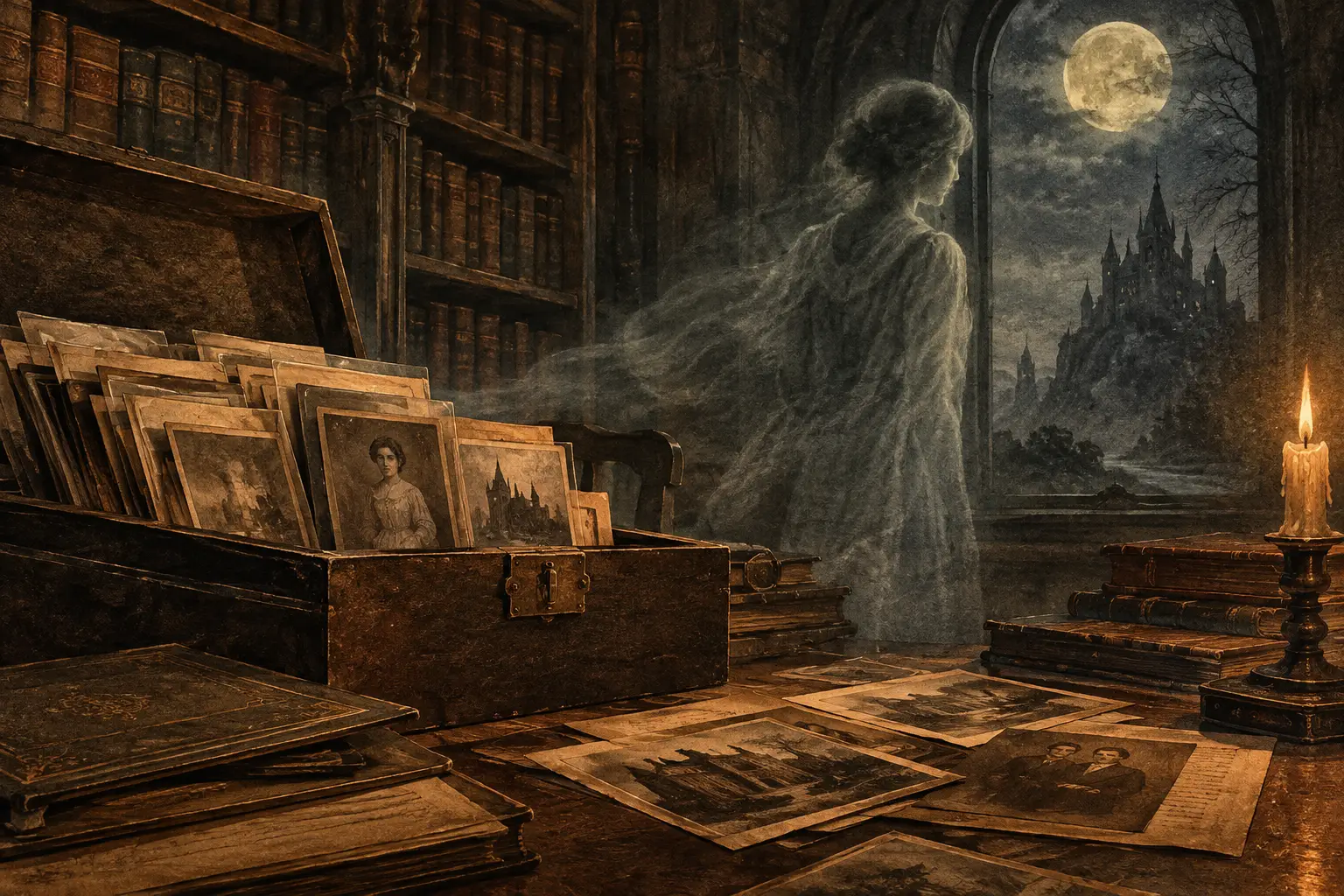
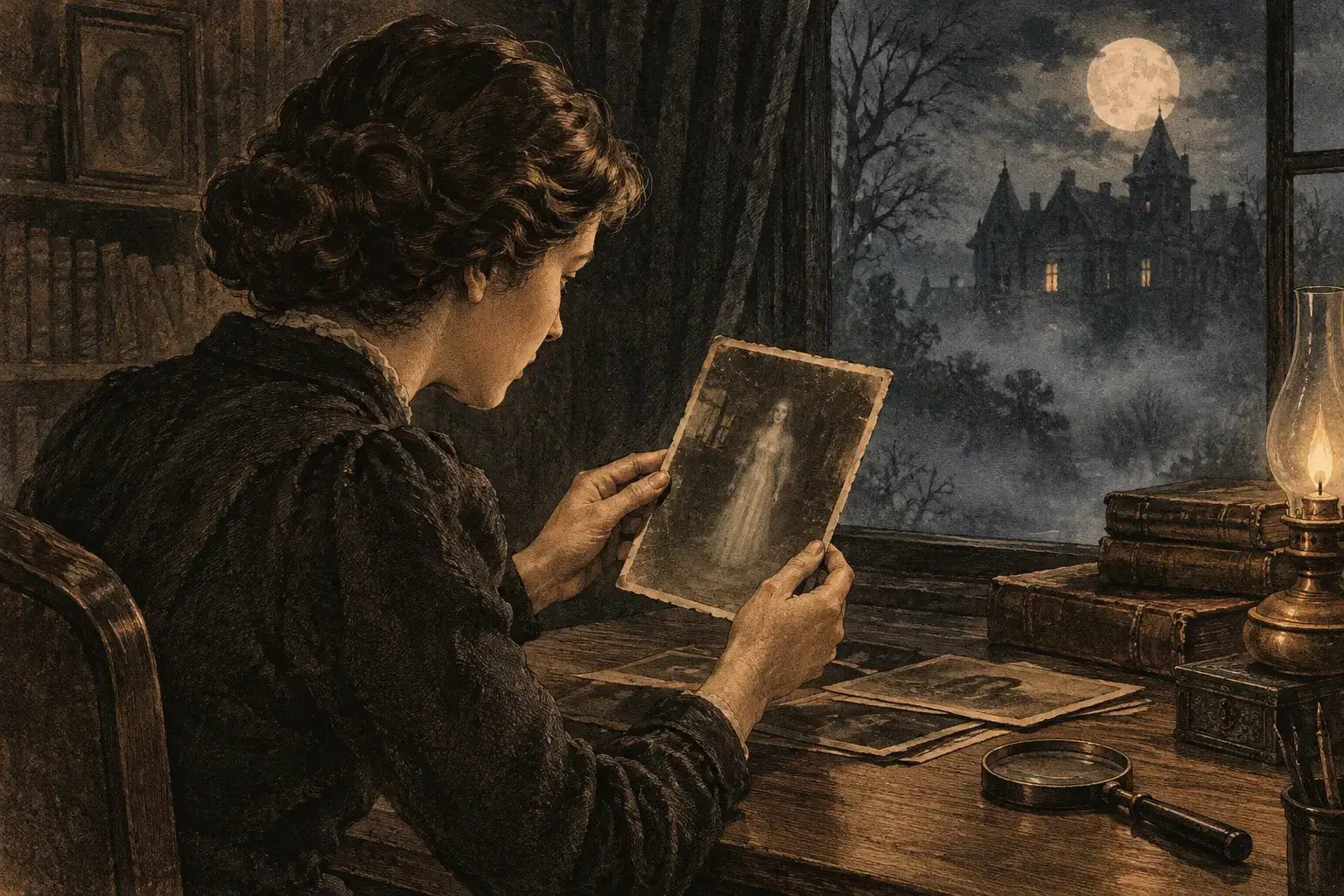
A voice recorder catches three knocks in an empty hallway. A photo shows a shape no one remembers seeing. Years later, the witness can still point to the date, the place, the original file, and the words written while the memory was fresh. That is the real power of digital haunting archives. They do not prove every encounter. They keep an encounter from vanishing.
For people who have experienced something strange, being believed is not always the first goal. Sometimes the goal is simpler: preserve what happened before the details blur, the phone is replaced, or the recording disappears into a forgotten folder. A public archive gives an unexplained event a place to remain visible, searchable, and open to careful discussion.
Why Digital Haunting Archives Matter
A ghost story told around a campfire changes with every retelling. A firsthand report, submitted with its original audio, image, video, date, and location context, has a different kind of weight. It is not automatically evidence of the paranormal. It is evidence that a witness documented an experience.
That distinction matters. Paranormal archives work best when they make room for uncertainty. An EVP may be a voice, radio bleed, wind, handling noise, or a phrase heard only after repeated listening. A shadow in a photograph may have an ordinary source. A witness may still have encountered something they cannot explain. Preserving the source material allows others to hear, see, and judge for themselves.
The archive also protects against a common problem in paranormal culture: the isolated story. A single report can feel impossible to place. A collection of reports can reveal patterns. Perhaps multiple witnesses describe footsteps in the same historic building. Perhaps several people report a strange light along the same rural road. Patterns do not equal proof, but they can point investigators toward questions worth asking.
What a Strong Archive Preserves
The story is the center. Without a witness account, an unexplained image can become a blank screen for projection. Context gives a file meaning: what happened before the recording began, who was present, what the weather was like, whether the witness had visited the place before, and why the moment stood out.
The strongest digital haunting archives preserve more than a polished retelling. They hold onto the rough edges: the original wording, the time of day, the uncertainty, and the details that may seem unimportant at first. If a witness heard a child laughing in an abandoned school, it helps to know whether nearby streets were active, whether other investigators were present, and whether the sound was heard live or only noticed on playback.
A useful submission should include the encounter type and enough location detail to orient readers without exposing a private home or a vulnerable person. Categories matter because they make discovery possible. Apparitions, shadow figures, strange sounds, poltergeist activity, haunted places, creatures, UFOs, humanoids, cryptids, and other hauntings should not be thrown into one unreadable pile.
Files deserve care, too. A compressed social post may be easy to watch, but compression can erase visual and audio detail. When possible, preserve the original file and make a shareable copy for browsing. Keep the capture date if it is available. Note whether audio has been cleaned, brightened, slowed, filtered, or edited. An edited clip can be useful for listening. It should never replace the source.
Witness First, Verdict Later
An archive is not a courtroom, and it should not become a stage for instant ridicule. Witnesses often arrive with incomplete information, fear of being dismissed, or no language for what they saw. Anonymous reporting can make honest documentation possible, especially when a report involves a family home, a workplace, a child, or an experience the witness does not want attached to their name.
Privacy has trade-offs. Anonymous accounts can be harder to follow up on, and details may be impossible to verify. Still, forcing identity disclosure would silence many reports before they are ever recorded. The better approach is clear labeling: identify what was directly observed, what was later inferred, what has supporting media, and what remains unknown.
Readers have a role here. Ask useful questions. Was the camera facing a window? Were there pets in the building? Did anyone else hear the sound? Has the location changed since the event? Questions can sharpen a report without treating the witness as an enemy.
The same restraint applies to certainty. Calling every unexplained sound a ghost weakens the archive. Declaring every witness mistaken does the same. The most valuable reports can say, plainly, “This is what I experienced. This is what I captured. I do not know what it was.”
Build Reports People Can Return To
A good paranormal submission does not need literary polish. It needs a clear sequence. Start with where you were and why. Describe what changed. Explain what you saw, heard, felt, or recorded. Then separate the event itself from your interpretation of it.
Instead of writing, “A demon attacked us,” explain the observable details: “At 2:10 a.m., three of us heard scraping from the locked attic door. The sound lasted about twenty seconds. We recorded the final five seconds from the hallway.” Readers can still consider the witness’s interpretation, but they have something solid to examine first.
If you have media, include only what helps tell the story. Four files that show different parts of an event are more useful than twenty near-identical images. For audio, say what listeners should listen for and where it occurs. For video, note whether the clip begins after the activity started. For photos, avoid drawing circles around every suspected anomaly. Let people look.
When the location is public, share enough detail for future witnesses to connect related reports. When it is private, use broader context. “A rental house outside Tulsa” may protect people better than a street address while still helping others understand the setting. Never post information that could invite trespassing, harassment, or unwanted attention.
The Archive Is Also a Record of Change
Haunted places are demolished. Families move. Old forums disappear. Phone backups fail. A digital archive can preserve the record even when the physical setting is gone.
That does not mean an archive should freeze a story forever without care. Witnesses may later want to remove identifying details. A location may become unsafe to publicize. New information may change how a report is understood. Responsible archives allow correction and reporting, while preserving the difference between an original claim and a later update.
This is where community structure matters. Sorting reports by category, location, date, and media type makes the archive more than a feed. New stories offer immediacy. Popular reports surface shared fascination. Older accounts remain available for the person who has a similar experience months or years later and needs to know they are not alone.
Haunting.org is built around that simple act of preservation: witness, capture, share. The value is not found in forcing every report toward a verdict. It is found in giving testimony and source material a place to endure.
Leave a Trace Worth Finding
If something happened to you, document it while the room, the sounds, and the sequence still feel close. Write down what you know. Keep what you captured. Mark what you are unsure about.
Someone may eventually find your report while searching for the same sound, the same road, the same figure at the end of a hallway. Give them more than a rumor. Give them a record they can return to, listen to, question, and carry forward.